GROW UP, NOT OUT
Grow More Plants While Using Your Space Efficiently
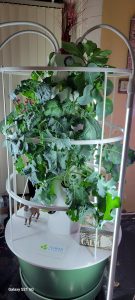
Vertical aeroponic systems can support a surprisingly diverse range of crops. Beyond herbs and leafy greens, growers can explore vegetables and fruit such as broccoli, cauliflower, Brussels sprouts, kohlrabi, peas, strawberries, and more. What works best will depend on the system, available growing space, lighting, plant support, and whether the garden is being grown indoors or outdoors.
Is Vertical Aeroponics Right for You?
Vertical aeroponics may be a good fit if you want to grow multiple plants while making efficient use of your available space. It can work for individual households as well as larger educational, family, senior-living, and community growing environments depending on the system and setup.
SPACE EFFICIENT GROWING
Vertical systems use height to increase growing capacity without requiring a large amount of floor space.
GROW MULTIPLE PLANTS
Depending on the system, one vertical garden can provide growing spaces for a variety of herbs, leafy greens, vegetables, and other plants.
ACCESSIBLE GROWING HEIGHTS
Plants positioned at different levels can make tending and harvesting a garden more convenient than working with a traditional ground-level garden.
ROOM TO SCALE
Vertical growing can begin with a system for a household and expand into larger family, educational, senior-living, or community growing projects.
What Can You Grow with Vertical Aeroponics?
Vertical aeroponic systems can support a wide variety of plants while using space efficiently. What you grow will depend on the size of the system, available light, plant spacing, support needs, and whether the garden is being used indoors or outdoors.
Larger plants can be grown vertically, but thoughtful plant selection and placement matter—especially indoors. Consider mature plant size, available light, spacing, and support needs when deciding what to grow. Compact varieties may be easier to manage when indoor space is limited.
Broccoli
Broccoli can be grown in a vertical system, giving you another option for producing a substantial vegetable crop beyond traditional leafy greens.
Cauliflower
Cauliflower offers a larger cool-season crop and demonstrates the variety of vegetables that can be grown vertically with adequate space and growing conditions
Brussels Sprouts
Brussels sprouts can add both height and visual interest to a vertical garden while producing multiple edible sprouts along the plant’s stalk.
Kohlrabi
Kohlrabi develops an edible swollen stem above the root area, making it an interesting larger vegetable to showcase in a soil-less vertical garden.
Strawberries
Strawberries are well suited to many vertical systems, where individual plants can use separate growing ports while producing fruit around the garden.
Peas
Peas can be grown vertically and provide another food-producing option, although climbing varieties may need additional support as they develop.
What Do You Need for Vertical Aeroponics?
Vertical aeroponic systems combine several growing components into one space-efficient setup. The exact design varies by system, but these are some of the basic elements commonly used to support healthy plant growth.
Vertical Growing Tower
The tower provides multiple growing spaces arranged vertically so plants can grow upward rather than requiring a large amount of floor space.
Water Reservoir
A reservoir holds the water and nutrient solution that circulates through the growing system.
Pump & Water Delivery
A pump moves the nutrient solution through the tower so plant roots receive the water and nutrients they need.
Hydroponic Nutrients
Because the plants are grown without soil, a properly balanced nutrient solution provides essential plant nutrition.
Adequate Light
Outdoor systems may use natural sunlight, while indoor vertical gardens may require suitable grow lights to support healthy growth and fruit production.
Plant Support
Larger or vining crops may need stakes, cages, trellises, or other support depending on the plant and where it is positioned on the tower.
Designed to Grow Up, Not Out
Vertical aeroponics can increase growing capacity without taking up the same amount of floor space as multiple individual containers. The key is choosing plants and a system that fit your available space, lighting, growing goals, and level of involvement.
How Vertical Aeroponics Works
Vertical aeroponic systems circulate a nutrient-rich water solution through a vertical growing tower so plant roots receive the moisture and nutrients they need without being planted in soil.
The vertical design allows multiple plants to grow at different levels while using a relatively small footprint. Depending on the system, excess nutrient solution is collected and recirculated through the reservoir.
Why Vertical Design Matters
By using height instead of spreading plants across the floor, vertical aeroponics can increase growing capacity while making efficient use of available space. Plant placement, light, support, and mature plant size still play an important role in how well the system performs.
Want to Learn How to Get Started?
The SG365M Free Beginner Guide introduces the basics of soil-less indoor growing and can help you take your first step with more confidence.
Why Choose Vertical Aeroponics
Vertical aeroponics can be a strong option for growers who want to increase growing capacity while making efficient use of available space. By growing upward instead of outward, a vertical system can support multiple plants without requiring a large garden footprint.
MORE PLANTS, LESS FLOOR SPACE
Vertical growing uses height to create multiple growing positions in a compact footprint.
GREATER CROP VARIETY
Depending on the system and growing environment, vertical aeroponics can support everything from herbs and greens to strawberries, peas, broccoli, cauliflower, and other larger crops.
FLEXIBLE GROWING OPTIONS
Vertical systems can be used by individual households and can also support educational, senior-living, family, and community growing projects.
ROOM TO SCALE
You can begin with a system that fits your household and expand into larger growing solutions as your goals and needs change.
Know When It’s Time to Grow Bigger
When Vertical Growing May Be the Right Next Step
If you want to grow multiple plants, make better use of limited floor space, or create a larger fresh-food growing experience, vertical aeroponics may be worth exploring. The right system will depend on your available space, lighting, what you want to grow, and whether the garden will be used indoors or outdoors.
Ready to Start Your Indoor Growing?
DWC hydroponics can provide more growing capacity and a more hands-on experience when you are ready to move beyond smaller indoor systems. Start with the basics, choose plants that fit your available space, and continue building your growing confidence at your own pace.