The Hidden Risks Behind Trending DIY Container Gardening on Social Media
Over the past several months, there has been a noticeable surge of reels and posts across social media platforms showing people growing food in everyday household containers from reused plastic bottles to storage bins and repurposed packaging.
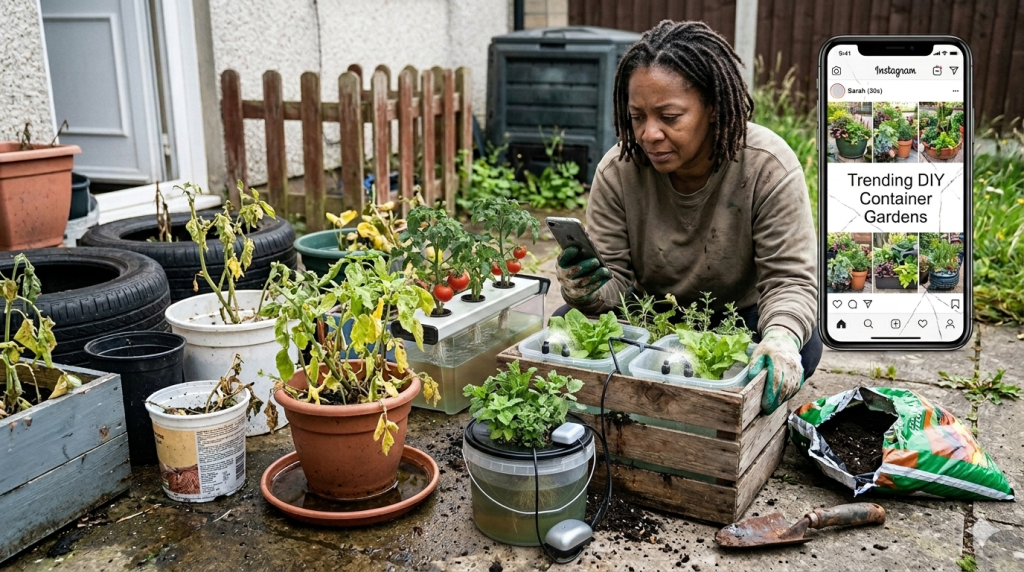
At first glance, it looks creative, resourceful, and even inspiring.
But there’s a question that deserves more attention:
Is it safe to grow food in containers that were never designed for food production?
This is not about fear.
This is about awareness, education, and protecting your health.
Why This Matters More Than You Think
When you grow your own food whether in soil or soil-less systems like hydroponics you are creating a direct pathway between:
Your growing system → your plants → your body
That means the materials you use matter.
Research shows that certain plastics can release chemicals into water or nutrient solutions, especially when exposed to light, heat, or changing pH levels. These substances don’t just disappear they can interact with what you are growing.
What Research Shows About Plastic & Food Safety
Chemical Leaching Is a Real Concern
Scientific and environmental health research has shown that some plastics can release chemicals such as Bisphenol A (BPA) into food and liquids over time.
Leaching can increase when:
- Containers are exposed to heat
- Materials begin to degrade
- Liquids sit for extended periods
These compounds are known as endocrine disruptors, meaning they can interfere with the body’s natural hormone systems.
“BPA-Free” Doesn’t Always Mean Risk-Free
Many containers are now labeled “BPA-free,” which is a step forward, but it doesn’t automatically mean they are fully safe.
Some replacement chemicals:
- Have not been studied as extensively
- May behave similarly in the body
- Still raise questions about long-term exposure
Phthalates & Plastic Additives
Certain plastics contain additives such as phthalates, which are used to make materials flexible.
These substances have been studied for potential links to:
- Hormonal disruption
- Developmental concerns
- Long-term health effects
Microplastics & Emerging Concerns
Recent research is beginning to explore how microplastics interact with plants and growing systems.
Early findings suggest:
- Microplastics can exist in water and growing environments
- They may influence how plants absorb other substances
This area is still developing, but it highlights the importance of being mindful about materials used in food production.
The Real Risk Behind Social Media Trends
The concern is not creativity—it’s lack of context.
Many viral posts:
- Do not mention whether containers are food-grade
- Do not address long-term safety
- Focus on aesthetics rather than health
- Skip over the importance of materials
And when something looks simple and popular, it spreads quickly.
Food-Grade vs. “Just a Container”
Not all containers are created equal.
Safer Options for Growing Food
- Food-grade plastics (properly labeled)
- Glass containers
- Stainless steel systems
- Certified hydroponic equipment
Higher-Risk Materials
- Reused packaging with unknown chemical history
- Containers not designed for food or water use
- Old or sun-exposed plastics
- Materials that degrade over time
If a container was not intended for food contact, it may:
- Break down
- Leach chemicals
- Introduce contaminants into your growing system
Soil or Soil-Less—The Principle Is the Same
Whether you grow:
- In soil
- In mason jars using the Kratky method
- In hydroponic systems
- In vertical tower gardens
The principle remains:
If it touches your water or growing environment—it matters.
A Balanced Perspective
It’s important to stay grounded:
- Not every plastic container automatically makes food unsafe
- Some research is still ongoing regarding plant absorption
However:
- Chemical leaching is documented
- Exposure accumulates over time
- Food systems are a key pathway into the body
Why I’m Speaking On This
I’ve been growing indoors since shortly after the pandemic—long before the Sustainable Gardens 365 Movement was established.
This is not about trends for me.
This is about:
- Clean food
- Safe growing practices
- Helping people make informed decisions
Because growing your own food should increase your health—not compromise it.
I am also currently advancing my education through a Master Level Nutrition Coach Certification, continuing to deepen my understanding of how what we grow impacts our overall health.
What You Should Do Before Following Trends
Before trying what you see online:
- Ask: Is this container food-safe?
- Look for: Food-grade materials or certifications
- Avoid: Unknown or repurposed plastics
- Research: Trusted sources beyond social media
- Choose: Safety over convenience
A Caring Reminder
You don’t have to be perfect.
You just need to be intentional.
There are many ways to grow your own food—with soil or without it.
But whatever path you choose:
Do your research
Do your due diligence
Protect your health and your household
Because the goal isn’t just to grow food…
It’s to grow food you can trust.
Start With Safe, Simple Foundations
If you’re new to indoor growing and want to learn safe, beginner-friendly ways to grow fresh food indoors without soil:
Start with education first.
Build your foundation the right way.
Then grow from there.
Author Bio
Sharon Leigh is an Soil-Less Indoor Gardening Consultant | Coach, and Founder of the Sustainable Gardens 365 Movement. She teaches individuals, families, and communities how to grow fresh food indoors year-round using hydroponic and aeroponic methods.
A retired U.S. Army veteran, Sharon is passionate about helping military families, veterans, and underserved communities move from food insecurity to food independence through simple, sustainable indoor growing systems.
She is currently advancing her education through a Master Level Nutrition Coach Certification, expanding her work at the intersection of clean food, health, and self-reliance.
References & Sources
Chemical Exposure & BPA
National Institute of Environmental Health Sciences (NIEHS)
Bisphenol A (BPA)
Published: Reviewed periodically
https://www.niehs.nih.gov/health/topics/agents/sya-bpa
Environmental Defense Fund (EDF)
BPA in Food Packaging: What You Need to Know
Published: Ongoing updates
https://www.edf.org/bpa-food
BPA-Free Plastics
National Geographic
Are BPA-Free Plastics Safe?
Published: February 18, 2014
Phthalates & Food Safety
U.S. Food and Drug Administration (FDA)
Phthalates in Food Packaging and Food Contact Applications
Published: Updated periodically
National Institutes of Health (NIH / PubMed Central)
Health Effects of Phthalate Exposure
Published: 2023
Microplastics Research
Rutgers University School of Public Health
Micro- and Nano-Plastics Make Other Pollutants More Dangerous
Published: 2024
Hydroponic Material Guidance
Bright Lane Gardens
Food-Grade Plastic Hydroponic Systems
Published: Ongoing educational resource
Final Note on Sources
This article is grounded in research from government health agencies, academic institutions, and science-based publications.
As research continues to evolve, it is important to stay informed using trusted, evidence-based sources.