GROW MORE
More Growing Space for a Hands-On Hydroponic Experience
Deep Water Culture, commonly called DWC, is a soil-less growing method where plant roots extend into an oxygenated nutrient solution. It provides more root space than a mason jar and can support a wider range of plants as you become more comfortable with hydroponic growing.
Is DWC Hydroponics Right for You?
DWC hydroponics may be a good next step if you want more growing capacity, enjoy a hands-on approach, or want to experiment with plants that need more root space than a mason jar or smaller countertop system can provide.
MORE ROOT SPACE
A larger reservoir gives plant roots more room to develop than smaller passive growing setups.
HANDS ON LEARNING
DWC provides an opportunity to become more involved with nutrients, water, aeration, plant growth, and system care.
ROOM FOR LARGER PLANTS
Depending on the setup, DWC can support plants that need more space than many compact countertop gardens or mason jars provide..
EXPAND YOUR GROWING
DWC can be a practical step for growers who want to move beyond one small plant and continue developing their hydroponic skills.
What Can You Grow with DWC Hydroponics?
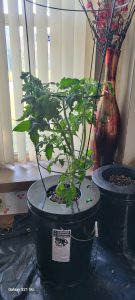
DWC hydroponics provides more root space and growing capacity than smaller indoor systems, making it possible to grow larger plants while still working within the limits of an indoor environment. Tomatoes, peppers, cucumbers, bush beans, compact eggplant, and larger leafy crops are some of the possibilities depending on your available light, space, plant support, and system size.
Tomatoes
Tomato plants can benefit from the additional root space of a DWC system and can produce substantial growth when provided with adequate light and support.
Peppers
Pepper plants can be grown in DWC systems and are another option for growers ready to move beyond herbs and leafy greens.
Cucumbers
Compact cucumber varieties can grow in larger DWC setups when provided with sufficient root space, light, and support for their vines.
Collards & Larger Greens
Collards, kale, and other larger leafy crops can use the additional root space of a DWC system to develop substantial foliage.
Bush Beans
Compact bush bean varieties can be grown hydroponically and provide an opportunity to grow a larger food-producing plant without the extensive vertical space required by pole beans.
Compact Eggplant
Compact or patio-type eggplant varieties can be grown in larger DWC systems when given adequate light, root space, and support as the plant develops.
What Do You Need for DWC Hydroponics?
DWC hydroponics uses a few additional components to provide larger plants with water, nutrients, oxygen, light, and physical support. The exact setup can vary, but these are the basic parts you will commonly see in a DWC growing system.
Reservoir or Grow Bucket
A food-safe container or 5 gallon bucket holds the water and nutrient solution while providing enough space for the plant’s roots to develop
Net Pot & Growing Medium
A net pot supports the plant above the reservoir while growing media helps keep the plant securely positioned.
Air Pump & Air Stone
DWC uses active aeration to add oxygen to the nutrient solution and support healthy roots.
Hydroponic Nutrients
Because the plant is not growing in soil, a hydroponic nutrient solution provides the essential nutrients it needs as it develops.
Grow Light
Indoor plants need adequate light for healthy growth, especially larger fruiting plants such as tomatoes, peppers, and cucumbers.
Plant Support
Larger plants may need additional physical support as they grow and produce fruit. Depending on the plant and your available space, this may include a stake, cage, trellis, or other support structure.
A Step Up in Growing Capacity
DWC offers more room for roots and larger plants, but it also involves more equipment and hands-on care than a mason jar or many countertop smart gardens. You do not have to start here—DWC can be a natural next step when you are ready to expand your growing experience.
How DWC Hydroponics Works
Deep Water Culture hydroponics allows plant roots to grow directly into an oxygenated nutrient solution. An air pump and air stone help supply oxygen to the roots while the nutrient solution provides the water and nutrients the plant needs to grow.
Because the roots have more room to develop, DWC can support larger plants and greater growth than smaller passive systems, while still allowing you to grow indoors.
Why Aeration Matters
In DWC, the roots remain in the nutrient solution, so providing adequate oxygen is an important part of the growing environment. The air pump and air stone help keep the root zone oxygenated while the plant grows.
Want to Learn How to Get Started?
The SG365M Free Beginner Guide introduces the basics of soil-less indoor growing and can help you take your first step with more confidence.
Why Choose DWC Hydroponics?
DWC hydroponics can be a good next step for growers who want more root space, larger plants, and a more hands-on hydroponic experience. It offers greater growing capacity than smaller passive systems while still fitting into an indoor growing setup when matched with the right plant and space.
MORE GROWING CAPACITY
DWC gives roots more room to develop, making it possible to support larger plants and more substantial growth.
GREATER PLANT VARIETY
Tomatoes, peppers, cucumbers, bush beans, compact eggplant, and larger greens can all be possibilities depending on your system and indoor space.
HANDS-ON HYDROPONIC LEARNING
DWC gives you more experience with aeration, nutrients, water levels, plant support, and overall system care.
ROOM TO EXPAND
It can be a practical bridge between small beginner systems and larger vertical or multi-plant growing setups.
Know When It’s Time to Grow Bigger
When DWC May Be the Right Next Step
If you are comfortable with the basics of soil-less growing and want to grow larger plants or increase your growing capacity, DWC may be a good next step. If you prefer a more compact or automated experience, a countertop smart garden may still be the better fit.
Ready to Start Your Indoor Growing?
DWC hydroponics can provide more growing capacity and a more hands-on experience when you are ready to move beyond smaller indoor systems. Start with the basics, choose plants that fit your available space, and continue building your growing confidence at your own pace.